
Picture this: it’s early morning, and your alarm clock blares, reminding you that it’s time to hit the gym. Yet, the comfort of your warm bed feels too inviting. I’ve been there, struggling to rise and shine when motivation seems miles away. But what if I told you that discipline is the key to overcoming that morning battle?
Many people think discipline is a trait you either have or you don’t. However, it’s more like a skill that anyone can learn and strengthen over time. I learned that the hard way. Each time I chose to exercise, even when I didn’t feel like it, I was investing in my future self. This journey is not about perfection; it’s about consistency and making fitness a part of your daily routine.
In this guide, I’ll share practical tips and strategies to help you embrace discipline and make exercise a non-negotiable part of your life. You’ll discover how to take that first step and maintain a routine that feels natural, not forced. Together, we’ll build the strength you need to achieve your fitness goals and transform your health.
Key Takeaways
- Discipline is a skill that can be learned and strengthened.
- Consistency is more important than perfection.
- Making exercise a daily routine can lead to long-term health benefits.
- Understanding the difference between motivation and discipline is crucial.
- Practical strategies can help you take the first step toward your fitness goals.
Understanding Motivation vs. Discipline: The Key to Consistency in the Gym
Imagine waking up each day, ready to conquer your fitness journey. It’s essential to grasp the difference between motivation and discipline. While motivation can spark your interest, it often fades away. In contrast, discipline is the foundation that keeps you consistent, even when motivation wanes.
Self-discipline is a skill and a state of mind. It encompasses willpower, self-control, drive, and determination. Every time you choose to exercise self-discipline, you are investing in your future self. However, sticking to this path isn’t always easy.
Motivation is fleeting. It ebbs and flows based on your mood, the weather, or how tired you feel. Discipline, however, is your steady anchor. It keeps you grounded in your fitness routine, even when your mind is screaming at you to stay on the couch.
I’ve spoken with many people who have transformed their bodies and lives. They all share a common truth: they often didn’t feel like working out, but they did it anyway. Discipline became a habit for them. Waiting for motivation is a trap that keeps many stuck in a cycle of starting and stopping their exercise routines.
Discipline isn’t about being harsh with yourself. It’s about making a commitment to your future self and honoring that promise, even when it’s uncomfortable. Think of discipline as the bridge between your fitness goals and the reality of your daily life. It carries you across the gap when motivation has long since disappeared.
By shifting your mindset from chasing motivation to building discipline, you’ll find that going to the gym becomes less of a daily battle. It transforms into an automatic part of your routine. Every day you choose to show up, you are not just working on your body; you are strengthening the neural pathways in your mind. This makes discipline easier over time.
Assessing Your Strengths and Weaknesses Before You Begin
Taking a moment to reflect on your natural tendencies can significantly impact your fitness journey. Many people find themselves fighting against their own inclinations when trying to establish a routine. This often leads to frustration and burnout.
It’s essential to recognize what truly works for you. Are you an early riser or someone who thrives in the evening? Understanding your energy patterns can help you design a routine that feels natural rather than forced. For instance, if mornings are tough for you, consider scheduling workouts later in the day.
Identifying What Works Best for You
Before stepping foot in the gym, take an honest look at your strengths and weaknesses. Many people struggle with early morning workouts, only to find themselves exhausted and unmotivated. Instead of forcing yourself into a routine that doesn’t suit you, identify what aligns with your lifestyle.
Think about your preferences and how they can shape your fitness approach. If you dislike crowded gyms after work, maybe a lunchtime session is your ideal time. The key is to create a plan that fits seamlessly into your life.
Examples of Personalized Fitness Approaches
Let’s consider an example: Julie. She constantly struggled to wake up early for workouts, often hitting snooze instead. Realizing her preference for evening activities, she shifted her routine to schedule workouts after work. This adjustment allowed her to stay consistent and fulfilled her social needs.
When you understand your own mind and body, designing a fitness approach becomes effortless. This self-assessment isn’t about making excuses; it’s about being strategic with your time and energy. Remember, the goal isn’t to mimic someone else’s routine but to create a personalized plan you can stick with for the long haul.

How to Take the First Step: Starting Small and Setting SMART Goals
Starting a fitness journey can often feel like a daunting task. Many people hesitate, unsure of where to begin. The truth is, taking that first step doesn’t require a massive leap. Instead, it involves small, manageable actions that you can sustain.
One of the best ways to ease into a routine is by setting SMART goals. This framework helps you transform vague intentions into clear plans. SMART stands for Specific, Measurable, Attainable, Relevant, and Time-Based. Each component plays a crucial role in helping you stay focused and committed.
Why Starting Small Matters
When I first started helping people build their fitness routines, I noticed a common mistake: trying to do too much too soon. This often leads to burnout. Instead, I recommend starting with small, achievable actions. For instance, committing to just 10 minutes of exercise today can be more effective than an hour-long session that feels overwhelming.
Setting SMART Goals for Gym Discipline
SMART goals are essential for developing a successful fitness routine. Here’s how it breaks down:
- Specific: Know exactly what you will do.
- Measurable: Track your progress.
- Attainable: Be realistic about your current situation.
- Relevant: Connect the goal to what truly matters to you.
- Time-Based: Set a deadline for your goals.
Examples of Effective SMART Fitness Goals
Here are some examples of SMART goals that can help you stay on track:
| Goal | Time Frame | Action |
|---|---|---|
| I will work out at 9Round three days per week | Next three months | Attend sessions regularly |
| I want to lose at least 10 pounds | By the end of the year | Monitor diet and exercise |
| I will eat one serving of fruit per day | Every day | Incorporate into breakfast |
| I will do strength training twice a week | For three months | Follow a structured plan |
By setting clear and achievable goals, you create a roadmap for your fitness journey. Remember, the aim isn’t to overhaul your entire life overnight. It’s about taking one small step today that your future self will thank you for.
Tricks and Tips to Fall Into a Routine
Creating a routine that sticks can be a game-changer in your fitness journey. I’ve discovered that falling into a consistent gym routine isn’t about having superhuman willpower. Instead, it’s about using clever tricks that make discipline feel almost automatic. Let’s explore some practical strategies that can help you stay committed.
Habit Stacking: Building New Habits on Existing Ones
One effective way to introduce new habits is through habit stacking. This technique involves attaching a new gym habit to something you already do consistently. For example, if you spend ten minutes every night packing for work, consider organizing your gym clothes during that time. This small change makes it easier to grab your gym bag in the morning, eliminating excuses.
Here are a few examples:
- After I start my coffee in the morning, I will take my daily supplements.
- After I eat lunch, I will go for a short walk.
- After I take off my work clothes, I will immediately put on my workout clothes.
- After I check my email in the morning, I will drink a glass of water.
Scheduling Your Workouts Like Important Appointments
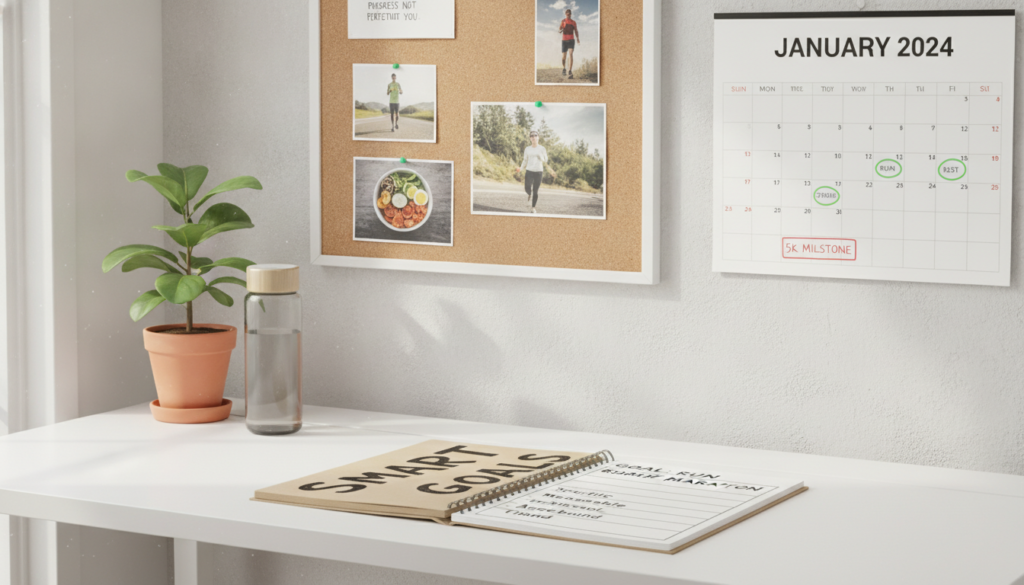
Another crucial tip is to schedule your workouts like important appointments. Treat your gym time the same way you would a doctor’s appointment or a work meeting. Block it out in your calendar and protect that commitment fiercely. This prioritization reinforces the importance of your wellness routine in your life.
Overcoming Excuses and Limiting Beliefs
It’s easy to let excuses creep in, but I’ve learned that most of them stem from limiting beliefs about what we can achieve. Before reaching your goals, you must believe that you are capable of achieving them. When thoughts like “I’m too tired” or “I don’t have time” arise, remind yourself that these are just stories your mind tells you. You have the power to rewrite them by taking action.
Preparing Ahead: Making It Easier to Stick to Your Plan
Preparation is one of the simplest yet most powerful tricks. Lay out your gym clothes, fill your water bottle, and pack your bag the night before. This proactive approach removes many tiny friction points that could derail your morning workouts. These small adjustments might seem insignificant, but together they create an environment where staying consistent becomes the path of least resistance.
Experiment with these tips and find the combination that works for your unique life. Once you crack the code of your routine, going to the gym stops feeling like a battle and starts feeling like just another part of your day.
Training Discipline Like a Muscle: Building Willpower Over Time
Building self-discipline is like training a muscle; it requires consistent effort and a willingness to embrace challenges. Just as you wouldn’t expect to lift heavy weights on your first day, you shouldn’t anticipate instant willpower. Embracing discomfort is essential for growth.
Embracing Discomfort to Grow Stronger
In the gym, pushing through tough workouts leads to physical strength. Similarly, facing uncomfortable situations builds mental fortitude. Each time I push through a workout I didn’t want to do, I strengthen my willpower. This growth spills over into every area of my life.
Breaking Goals into Manageable Steps
Setting large goals can feel overwhelming. Instead of fixating on losing 30 pounds, I recommend focusing on losing the first 5 pounds this month. Celebrate each small victory along the way. This approach makes the journey feel achievable and motivates you to stay consistent.
Keeping Your Goals Visible
One powerful strategy is to write your goals down and post them where you see them every day. Whether it’s on your bathroom mirror, fridge, or phone lock screen, these visual reminders keep your intentions top of mind. The more you see your goals, the more likely you are to take action toward achieving them.
Handling Setbacks and Getting Back on Track
Setbacks are inevitable. It’s crucial to remember that getting off track doesn’t mean you’ve failed; it just means you’re human. The speed at which you return to your routine defines your discipline. When I miss a workout or indulge in a less-than-healthy meal, I acknowledge it, learn from it, and make my next choice better.
Planning for your weaknesses is also vital. If early morning workouts are tough, place your alarm across the room or sleep in your gym clothes. Surrounding yourself with supportive people who share similar fitness goals can make a huge difference. Discipline is contagious, and accountability is a powerful motivator.
Over time, as you consistently exercise your discipline muscle through these small daily actions, what once felt hard becomes second nature. This transformation leads to a healthier relationship with both the gym and yourself.
| Goal Type | Action Steps | Time Frame |
|---|---|---|
| Weight Loss | Focus on losing 5 pounds | 1 month |
| Fitness Routine | Attend gym sessions 3 times a week | Next 3 months |
| Healthy Eating | Incorporate one serving of vegetables daily | Every day |
| Strength Training | Do strength exercises twice a week | For 3 months |
Conclusion
Real change starts with the commitment you make to yourself. Improving your health doesn’t require drastic changes overnight. Start small and focus on activities you enjoy. Incorporating exercise into your weekly routine can create a disciplined habit.
Remember, it’s about progress, not perfection. Three to four sessions of 30-45 minutes each week are often enough to maintain a healthy lifestyle. Make realistic, enjoyable goals, and you’ll find yourself closer to becoming the best version of you.
As you reflect on this journey, keep in mind that building discipline is a continuous process. There will be challenges, but each small action you take today is a step toward lasting change. So, take that first step now—whether it’s a quick workout or a simple walk. Your future self will thank you.
FAQ
What should I do if I struggle to stay consistent with my workouts?
It’s important to identify what barriers are holding you back. Consider scheduling workouts like important appointments and find a workout buddy for added motivation.
How can I set effective fitness goals?
Utilize the SMART criteria: make your goals Specific, Measurable, Achievable, Relevant, and Time-bound. This approach helps clarify your objectives and keeps you focused.
What are some tips for creating a workout routine?
Start by assessing your strengths and weaknesses. Incorporate a mix of cardio, strength training, and flexibility exercises that you enjoy to keep things interesting.
How can I overcome excuses that prevent me from exercising?
Challenge your limiting beliefs by reminding yourself of the benefits of fitness. Preparing your gym bag the night before can also eliminate excuses in the morning.
What is habit stacking and how can it help me?
Habit stacking involves linking a new habit to an existing one. For example, if you already drink coffee every morning, try doing a quick workout right after.
How do I handle setbacks in my fitness journey?
Setbacks are normal. Acknowledge them, learn from the experience, and refocus on your goals. Keeping your goals visible can serve as a constant reminder of your commitment.
How long does it take to build a fitness habit?
It varies for everyone, but consistency over a few months can help solidify your routine. Aim for regular workouts and stay patient with yourself.